





Which car power inverter is best for RV and camping?
- Comprehensive Guide to Car Power Inverters for RVs and Camping
- 1. What is a Car Power Inverter?
- 2. How Do I Determine the Appropriate Wattage for My Needs?
- 3. What is the Difference Between Pure Sine Wave and Modified Sine Wave Inverters?
- 4. How Do I Safely Connect a Power Inverter to My Vehicle?
- 5. What Are Some Top-Rated Car Power Inverters for RVs and Camping?
- 6. How Do I Maintain My Car Power Inverter?
- 7. What Are the Safety Features to Look for in a Car Power Inverter?
- 8. How Do I Choose Between a Car Power Inverter and a Portable Power Station?
- Conclusion: Why Choose Congsin?
Comprehensive Guide to Car Power Inverters for RVs and Camping
When embarking on RV adventures or camping trips, having a reliable power source is crucial. Car power inverters convert your vehicle's DC power into AC power, enabling you to operate various appliances and devices. This guide addresses common questions to assist you in selecting the optimal power inverter for your needs.
1. What is a Car Power Inverter?
A car power inverter is a device that transforms your vehicle's direct current (DC) into alternating current (AC), allowing you to power household electronics while on the road.
2. How Do I Determine the Appropriate Wattage for My Needs?
Assessing the total wattage of the devices you intend to use is essential. Here's a general guideline:
- 150–300W: Suitable for charging laptops, camera batteries, and small LED lights.
- 400–700W: Ideal for powering multiple devices simultaneously or more demanding electronics.
- 1000W+: Necessary for high-power appliances but requires proper installation and ventilation.
3. What is the Difference Between Pure Sine Wave and Modified Sine Wave Inverters?
- Pure Sine Wave Inverters: Provide clean and stable power, making them suitable for sensitive electronics like laptops and medical devices.
- Modified Sine Wave Inverters: More affordable but may cause interference with certain devices and are less efficient.
4. How Do I Safely Connect a Power Inverter to My Vehicle?
To ensure safety:
- Use the 12V Outlet: For inverters up to 150W, connect directly to the vehicle's 12V outlet.
- Direct Battery Connection: For higher wattage inverters, connect directly to the vehicle's battery using appropriate cables and fuses.
5. What Are Some Top-Rated Car Power Inverters for RVs and Camping?
Here are some highly recommended options:
- Victron Energy Phoenix (12V): Known for its reliability and pure sine wave output, making it ideal for sensitive electronics.
- GIANDEL Pure Sine (12V): Offers a balanced wattage suitable for most camping needs, providing clean power for various devices.
- Ampeak 2000W Power Inverter: Provides 2000W continuous power, suitable for powering multiple devices simultaneously.
6. How Do I Maintain My Car Power Inverter?
Regular maintenance includes:
- Keeping Vents Unobstructed: Ensure airflow is not blocked to prevent overheating.
- Regular Inspections: Check for signs of wear or damage, especially in cables and connectors.
- Proper Storage: Store the inverter in a dry, cool place when not in use.
7. What Are the Safety Features to Look for in a Car Power Inverter?
Essential safety features include:
- Overload Protection: Prevents damage from excessive power draw.
- Overvoltage and Undervoltage Protection: Safeguards against voltage fluctuations.
- Short Circuit Protection: Protects the inverter and connected devices from short circuits.
8. How Do I Choose Between a Car Power Inverter and a Portable Power Station?
Consider the following:
- Car Power Inverter: Best for powering devices directly from your vehicle's battery; suitable for short trips and light to moderate power needs.
- Portable Power Station: A standalone unit with its own battery; ideal for extended trips, off-grid camping, or when you need to power devices without running the vehicle.
Conclusion: Why Choose Congsin?
Congsin offers a range of high-quality car power inverters designed for RVs and camping. Their products are known for durability, efficiency, and user-friendly features, ensuring a reliable power source for your adventures.
References:


Pure Sine Wave Inverters
Can this inverter drive a 3P air conditioner and a refrigerator at the same time?
Yes. The rated power of a 3P air conditioner is about 2200W-2500W, and an ordinary double-door refrigerator is about 150W-300W, with a total power of about 2350W-2800W, which does not exceed the 3000W continuous power; and the peak 6000W can cope with the instantaneous startup impact of the air conditioner. When using, ensure the battery capacity is ≥200Ah (12V) to ensure battery life.
Can it drive a 3P air conditioner and an electric oven at the same time?
Total power needs to be calculated: the rated power of a 3P air conditioner is about 2200W-2500W, and the electric oven is about 1500W-2000W. The total power is 3700W-4500W, which exceeds the 3000W continuous power, so simultaneous use is not recommended; if used alone, the 6000W peak can meet the startup needs of both, and the battery capacity must be ≥200Ah (12V) when used alone.
Modified Sine Wave Inverters
What devices can be powered by the cigarette lighter port?
The cigarette lighter port can be used for car air pumps, car refrigerators, car vacuum cleaners and other conventional cigarette lighter powered devices, as long as the power does not exceed 300W.
How does reverse protection work?
When the positive and negative poles of the battery are reversed, the inverter will automatically cut off the circuit to avoid device damage and ensure power usage safety.
Can it be connected to a battery long-term?
Yes, ensure good ventilation to avoid overheating.
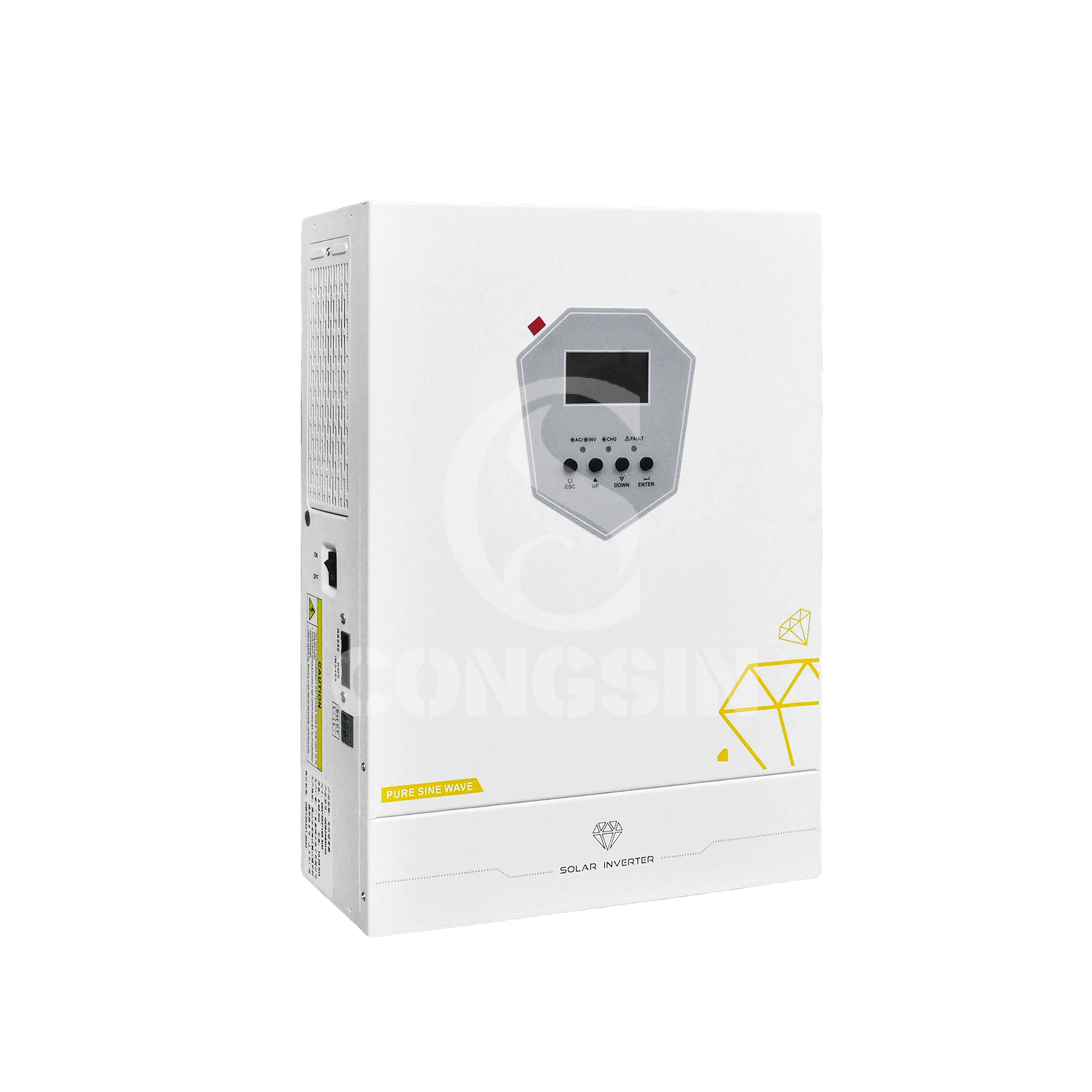
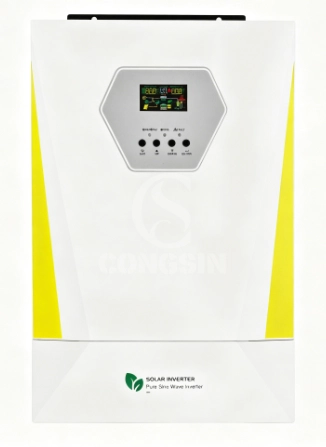
Power your solar system efficiently with the Congsin 4000W and 6000W Hybrid Inverter. Featuring an integrated MPPT Controller, this CE Certified inverter ensures optimal energy conversion. Monitor performance effortlessly via the intuitive LCD Display. Reliable, powerful, and ready for your sustainable energy needs.
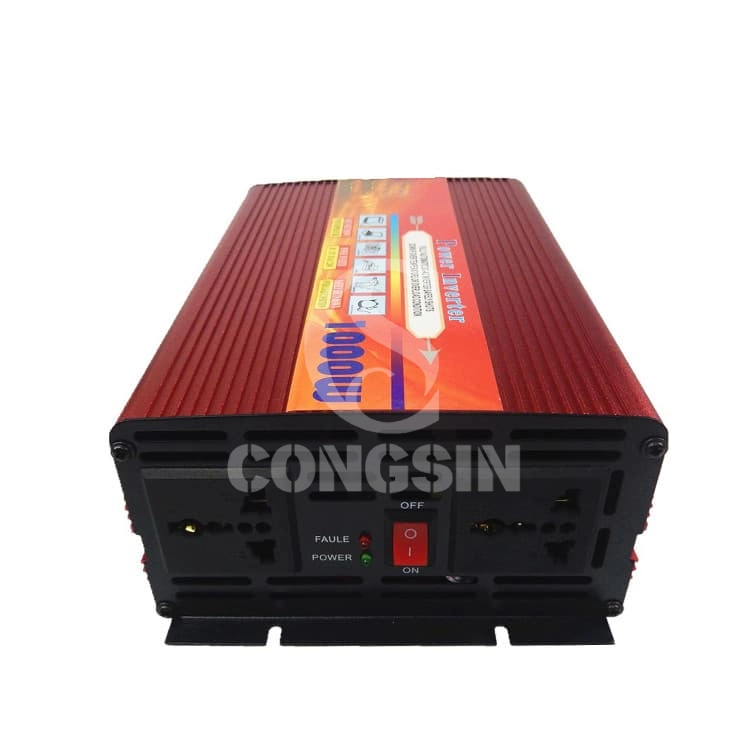
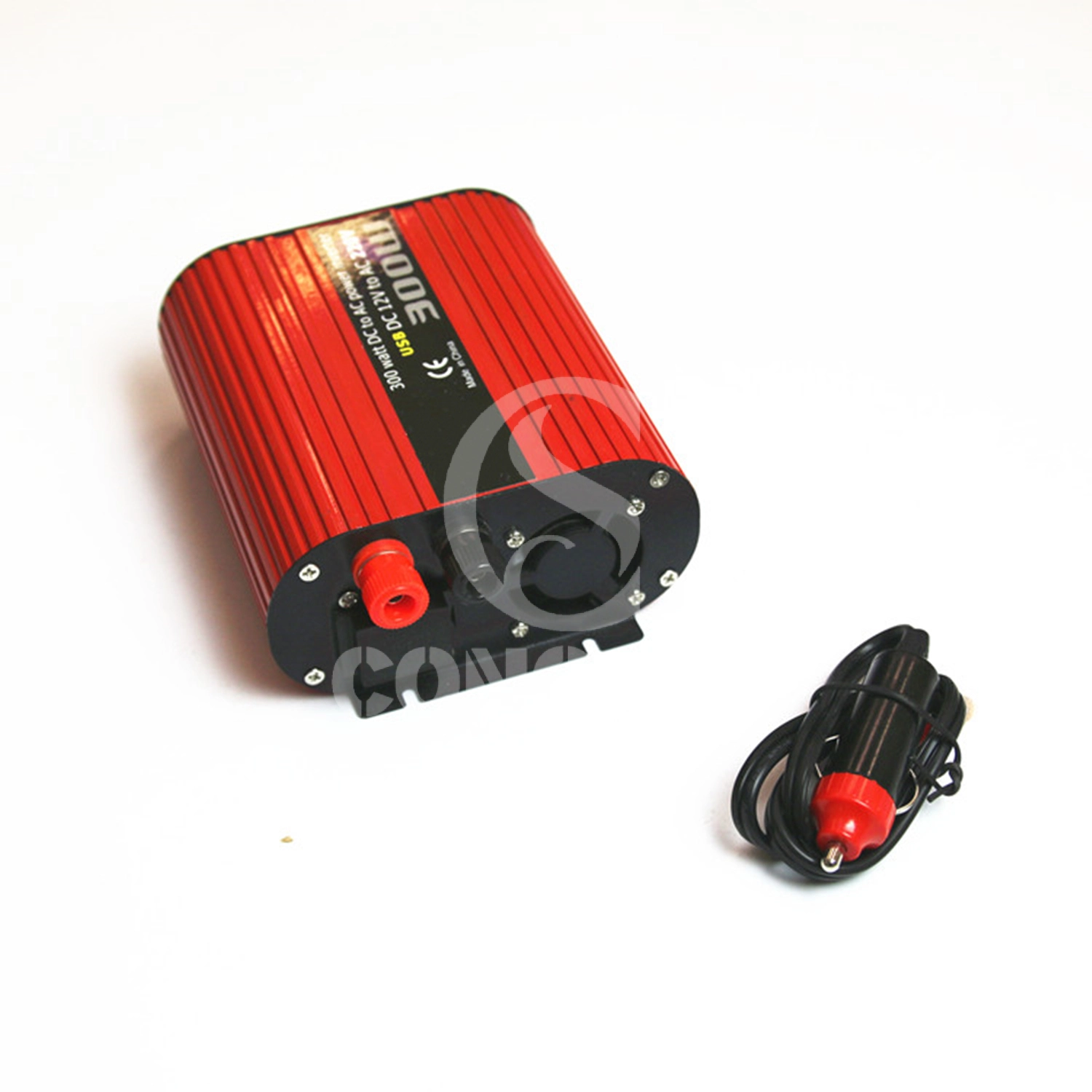
Congsin's Portable 150W Modified Sine Wave Inverter powers your journey! This versatile Car Power Inverter with USB acts as a reliable 12V to 220V converter, ensuring an essential off-grid power supply. With dual USB ports and a universal socket, enjoy convenient power on the go.
Get in Touch with Our Team
You can also communicate with us directly through our online contact form. Please fill in the following information, and our team will contact you as soon as possible after receiving your message.

CONGSIN is a trusted OEM factory for power inverters, solar charge controllers, and DC converters. Reliable solutions for global B2B buyers.
 High Quality
 7/24 Service
 Guaranteed Warranty
© 2025 Congsin. All Rights Reserved.
 WeChat
 Scan QR Code
sin cong
teaimei10
Whatsapp: +8618028086791
Scan QR Code